Engineering knowledge base
developer resources & tooling
Audited open-source repositories, local runtimes, architectural decision rubrics, and developer environments. Built to inspect, benchmark, and deploy with confidence.
Engineering Pillars
Audited Open-Source Codebases
Vetted runtimes and developer libraries audited for permissive licensing, commit velocity, and minimal external dependencies.
Browse repos Pair ProgrammingEnterprise Agent Harness
Specialized multi-persona coding harness with 68 subagents, custom skills, and verification loops.
Inspect Everything Claude Code Agentic ToolsAutonomous Web & Social Retrieval
Zero-API-fee internet access across 13+ platforms for AI coding assistants and automation workflows.
Inspect Agent ReachFeatured Open-Source Repositories
Audited codebases with deep architectural breakdowns, dependency audits, and hardware benchmarks.
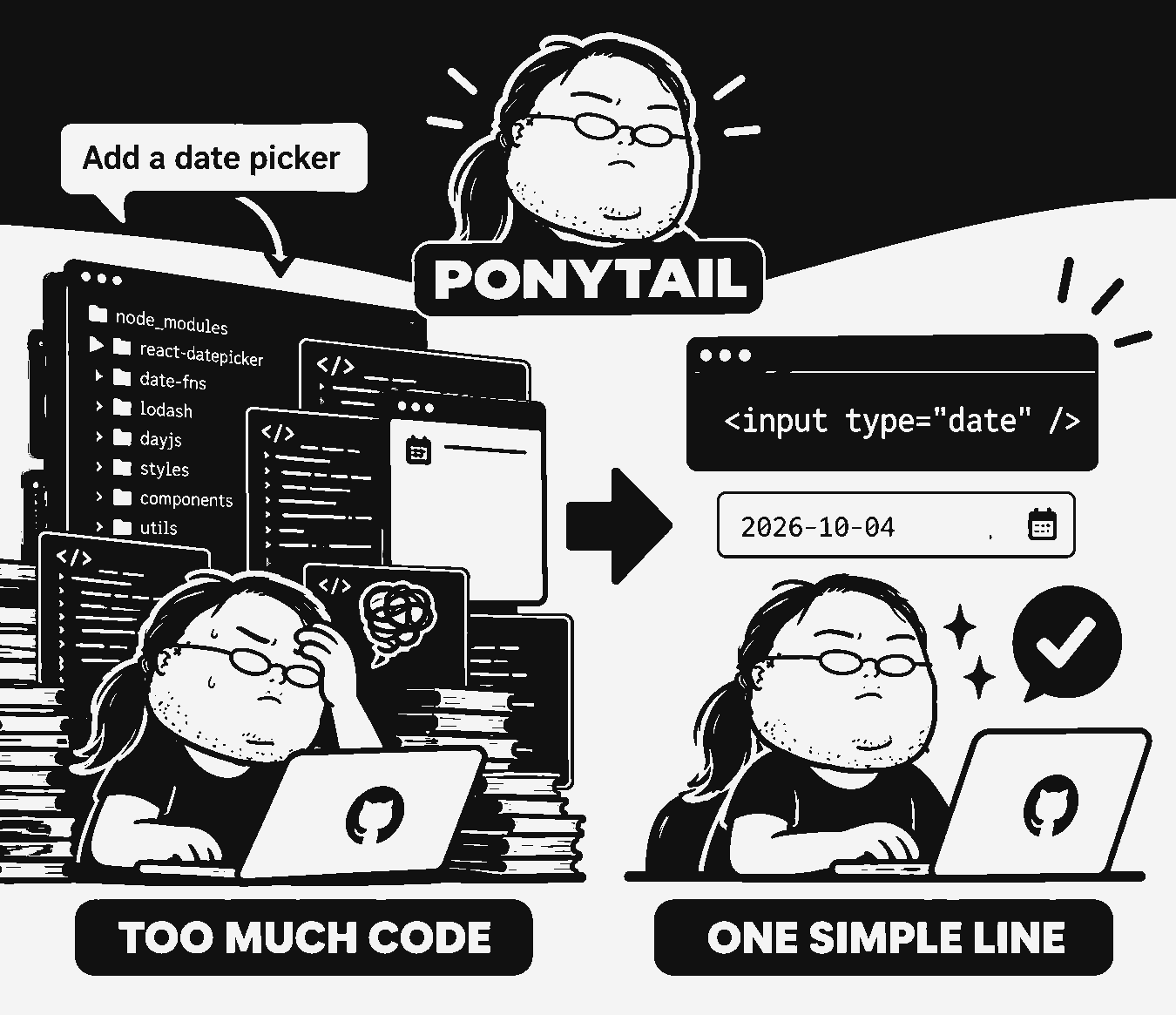
Ponytail
A runtime constraints and prompt-engineering harness that prevents AI coding agents from writing bloated, over-engineered code by enforcing YAGNI, code reuse, and minimal viable implementations.
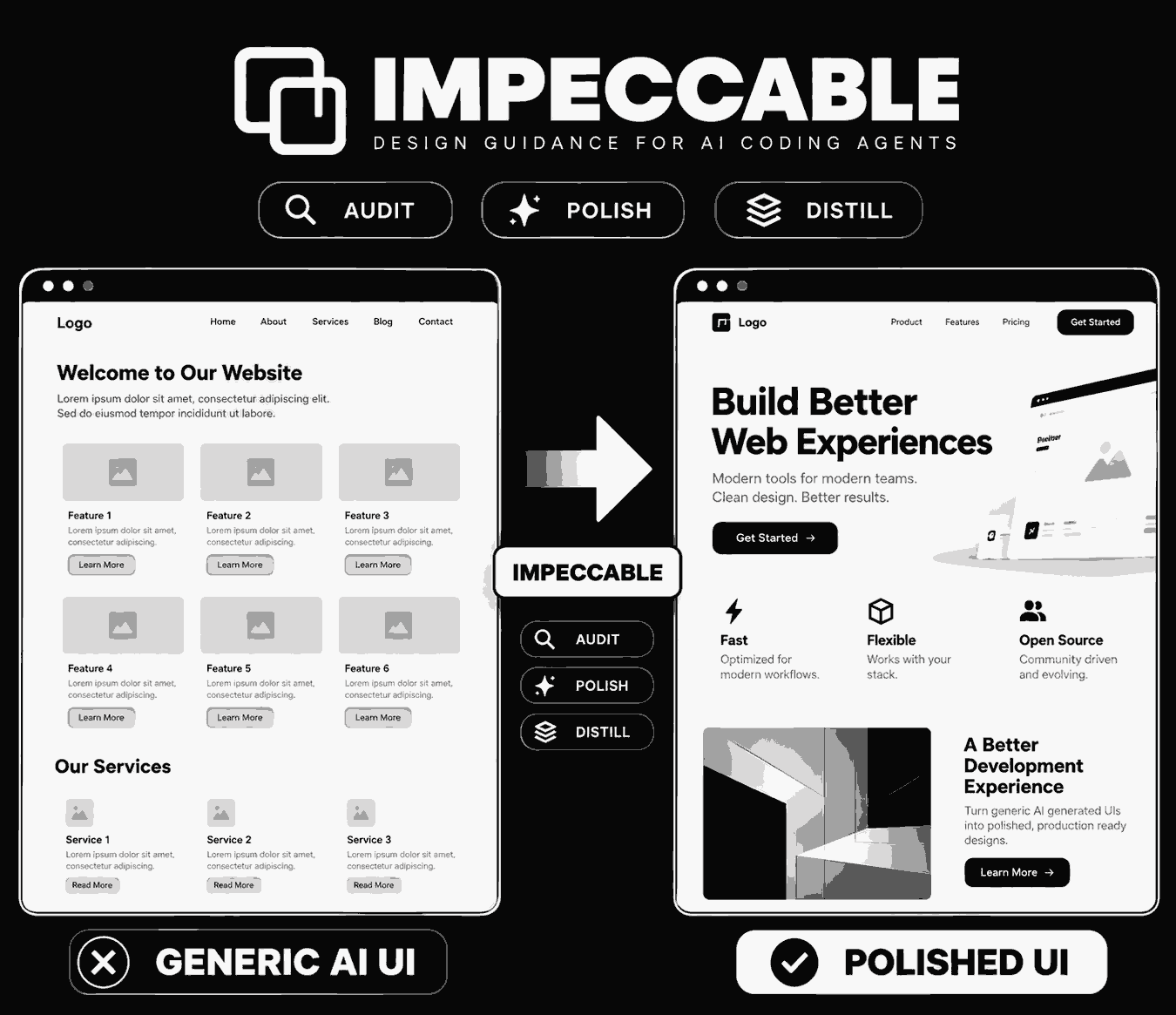
Impeccable
A dedicated frontend and UI design system harness for AI coding agents featuring 24 design commands, live headless browser iteration, and 61 deterministic UI quality detectors.
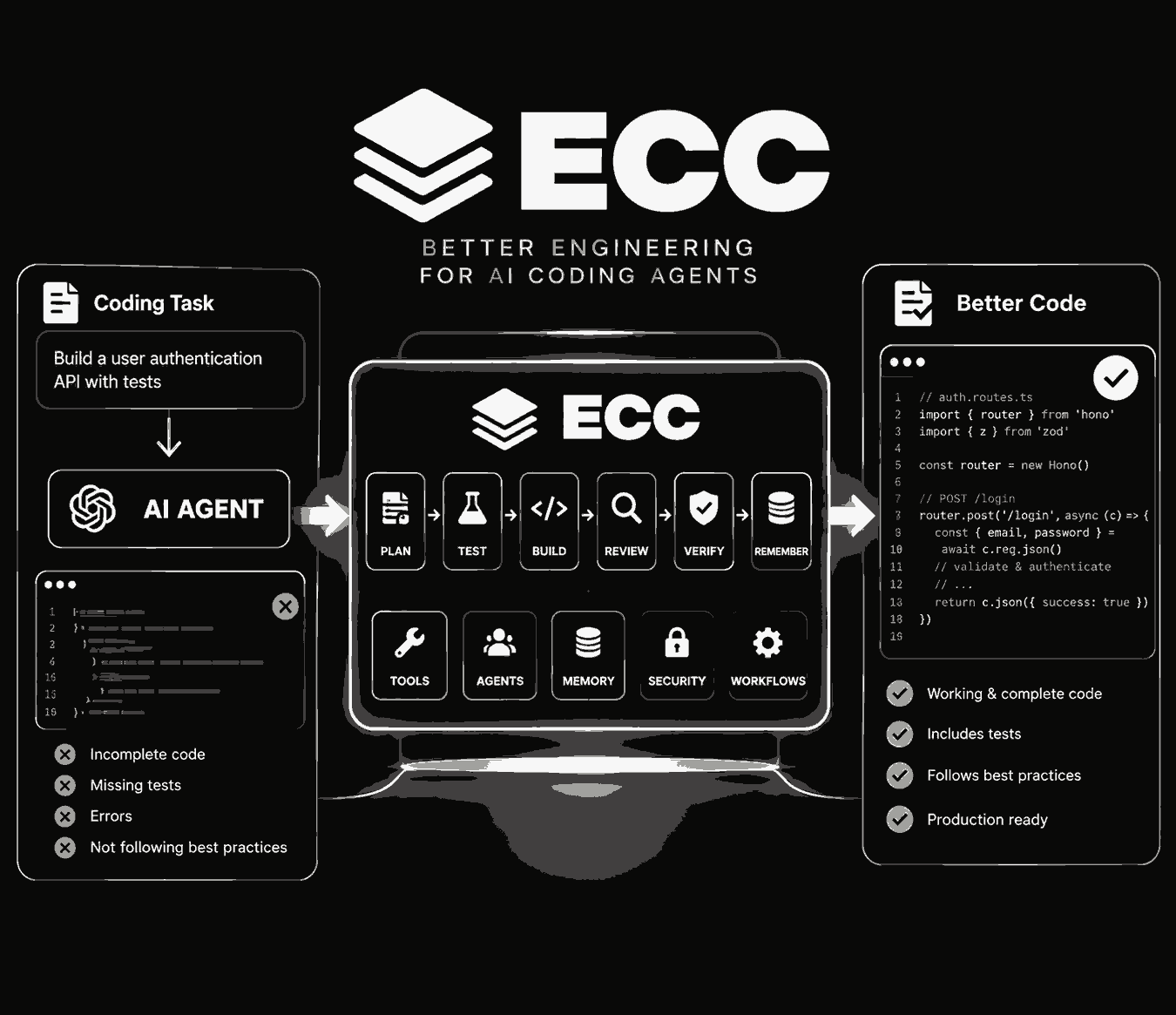
ECC (Everything Claude Code)
An enterprise agent-harness optimization system providing 68 specialized persona agents, 293 custom skills, 94 interactive commands, persistent memory, and automated security pipelines.
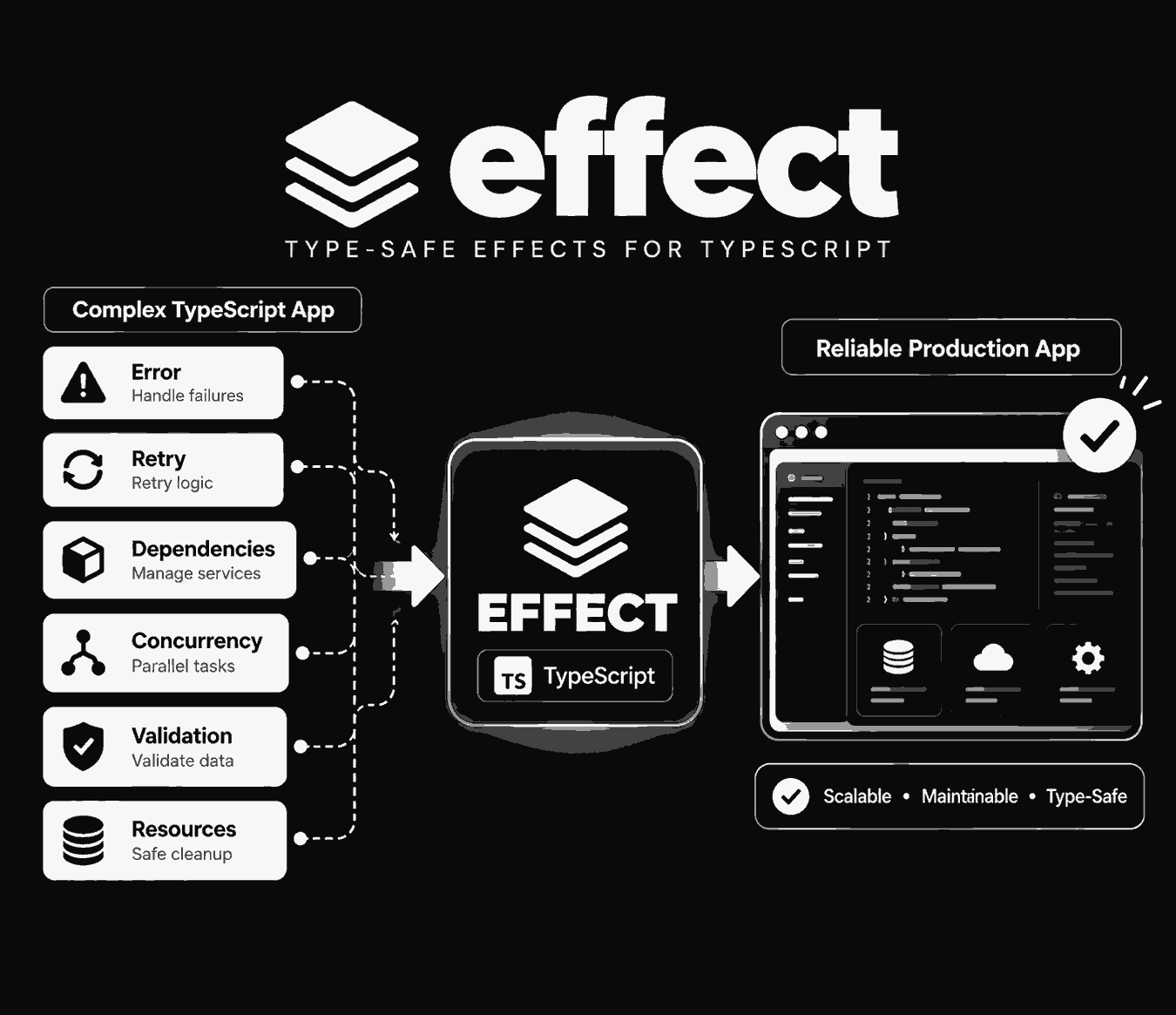
Effect
The definitive production-grade standard library for enterprise TypeScript. Provides typed errors, dependency injection, structured concurrency, fibers, distributed tracing, and runtime schema validation.
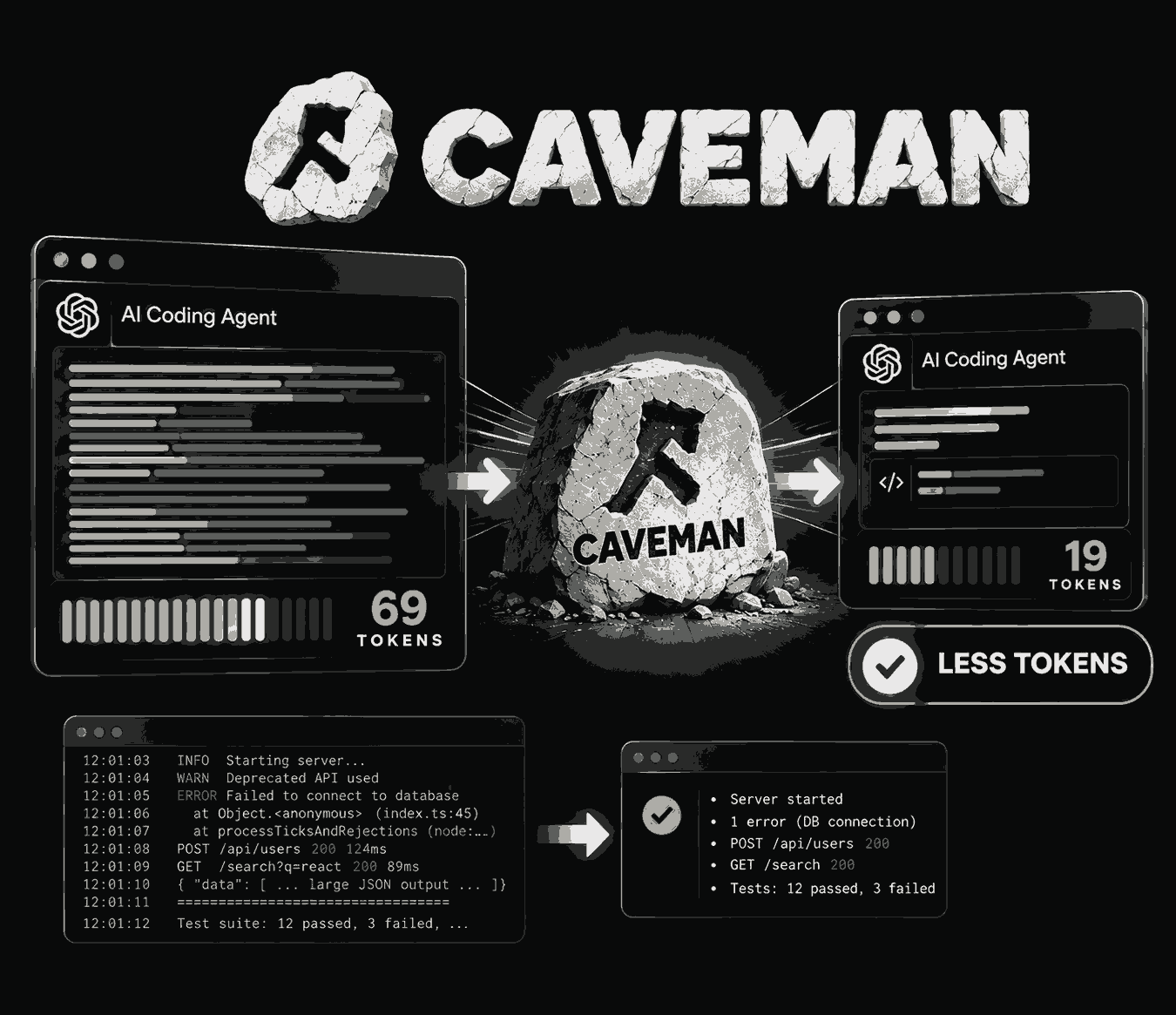
Caveman
A high-speed Go proxy and terminal preprocessor that aggressively strips conversational prose from AI coding agents while preserving 100% of code blocks, CLI commands, file paths, and exact stack traces.
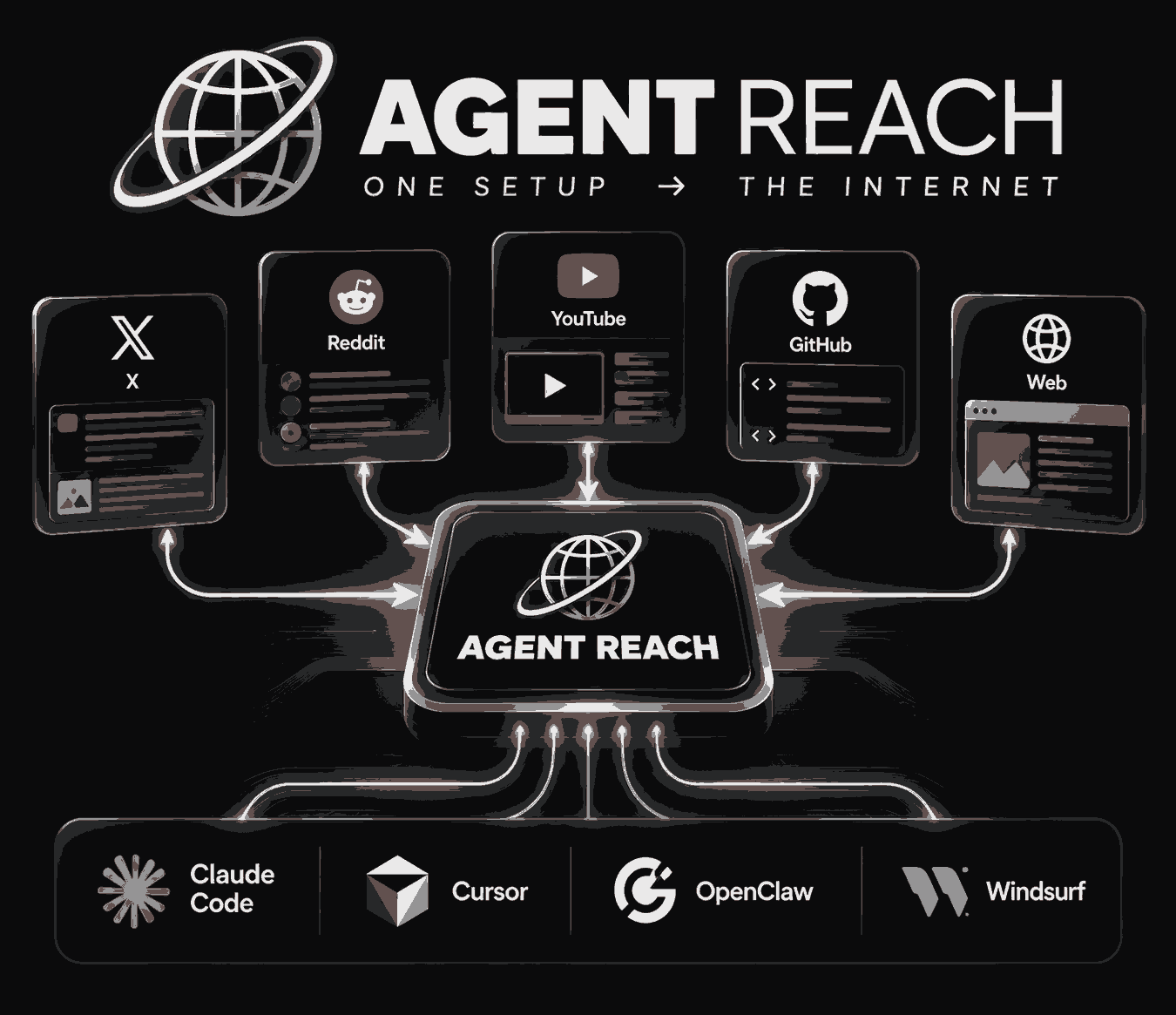
Agent-Reach
Gives AI agents direct, zero-API-fee internet access across 13+ platforms—including X/Twitter, Reddit, YouTube, GitHub, Facebook, Instagram, Bilibili, XiaoHongShu, LinkedIn, and web pages with automated backend health checking and smart routing.
Auditing Open-Source Dependencies Before Production Adoption
GitHub stars and social media buzz are weak proxies for engineering safety. Before pulling an external package into production codebases, the  VNHAX Engineering Team audits the codebase across four foundational quality gates:
📜 Permissive Licensing
Verify MIT or Apache-2.0 terms. Reject viral copyleft licenses (AGPL-3.0) or hybrid source-available terms that trigger commercial patent retaliations or revenue-share penalties.
⚡ Maintainer Velocity
Audit turnaround time on security disclosures and open pull requests. A repository with 50k stars and zero commits in six months represents high technical debt.
🔍 Supply Chain Hygiene
Inspect transitive dependencies and pinned lockfiles. Prefer zero-dependency libraries and packages with verifiable cryptographic signatures and two-factor maintainer accounts.
Frequently asked questions
Practical guidance on repository audits, enterprise licensing, and development workflows.
How does vnhax evaluate and verify open-source GitHub repositories?
Can I clone and deploy these repositories in commercial enterprise workflows?
How do I choose between Cline and Aider for AI-assisted coding?
What is the fastest way to run local LLMs inside a Docker container?
Use a repository as evidence, not an answer
Repository discovery is only the first step. Read the license, releases, issue tracker, contributor guidance, and security documentation before adding a dependency or deploying it in a production enterprise workflow.